
The Healing Hand of Scotland
After 10 years in the PR industry wilderness of fight-or-flight -- mostly fight -- the healing hand of Scotland places it all in perspective.

I usually don’t blog about my personal travels, but fresh off the plane from nine days in Scotland, I sense an opportunity to share. This trip was special.
For starters, my family lineage traces back to the British Isles on both my mother’s and father’s sides, so Scotland has been on my travel wish list for decades.
On my father’s side, the maiden name of one of my paternal great-grandmothers was “Scott.” On my mother’s side, I’m a direct descendent of a great-(about 10 generations back) grandfather who arrived in the Carolinas from Scotland in the 1600s. So, we’ve known for generations — through prior genealogical work forged by my other late grandparents on both sides — that Scotland was an “origin land” for us…
…Which, for me — and for people who know me — perhaps explains a lot!
Scottish heritage and culture are well-known for their people’s deeply held personal values of resilience, loyalty, rigor, and — whether successful or famously unsuccessful in countless encounters over the past millennium — the need to fight for those whom Scots consider “their people.”
It’s bred in the bone… I’m convinced.
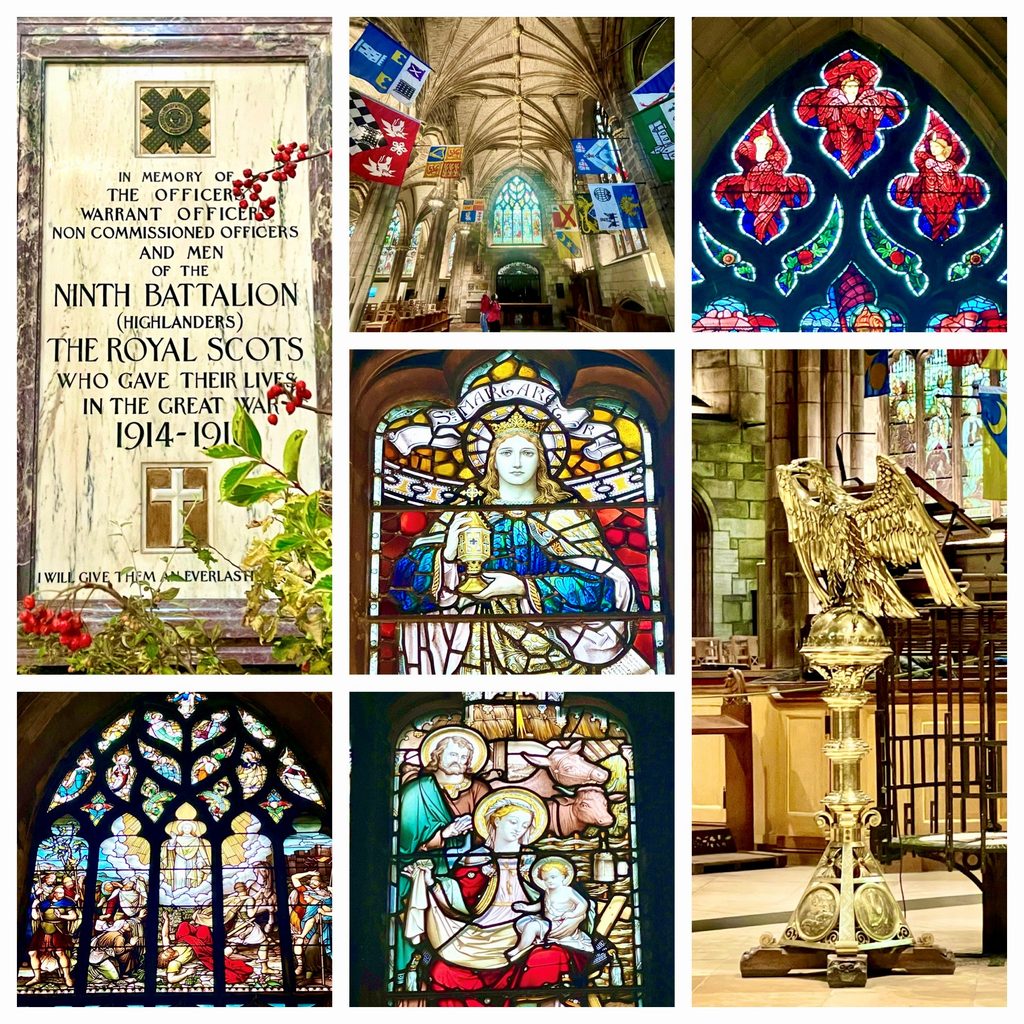
At this point in my life, when looking back is just as important as looking ahead, it’s meaningful to me to take stock of precisely who I am… and “why” I am.
Basking in my own Scottish roots while breathing Scottish air and touching the tactile evidence of so much Scottish history — from ancient castles to mountain-side geological rock formations to tombstones to cobblestone streets to everything in between — this visit reconfirmed and solidified much of what I already knew of those “who” and “why” questions.
I feel satisfaction in that knowledge, and, yes, very much a sense of pride… perhaps, a pride reclaimed.
On the first trip I ever made to the U.K. in 2019, upon touch-down in London, I distinctly recall having felt a strange sense of “coming home.” At the time, I had not anticipated it.
That same feeling in my soul could be multiplied by about 10, when we landed early last week in Edinburgh, Scotland.
It was such a good feeling to me… one of warmth, which later transitioned to one of healing and a sort of balanced “center of gravity.”
A sense of place. One that is spiritually and genetically part of me. One that no one can separate or take away from me.
Prior to this trip, I hadn’t quite realized I needed and yearned for those feelings so much.
But then again, I must consider the past 10 years of professional chaos I’ve experienced in what I consider The PR Industry Wilderness… a place of now-constant untethered-ness for me.
On a daily basis, it’s an environment I neither recognize, nor ever feel “safe” within. Nor is it a place I particularly wish to claim, despite the fact it’s squarely where I’ve been relegated, by default. Sadly, it’s been a place of fight-or-flight, for a decade of my life. It seems clear to me now, that my Scottish blood is what’s made “fight” the only discernible option for me, of the two.
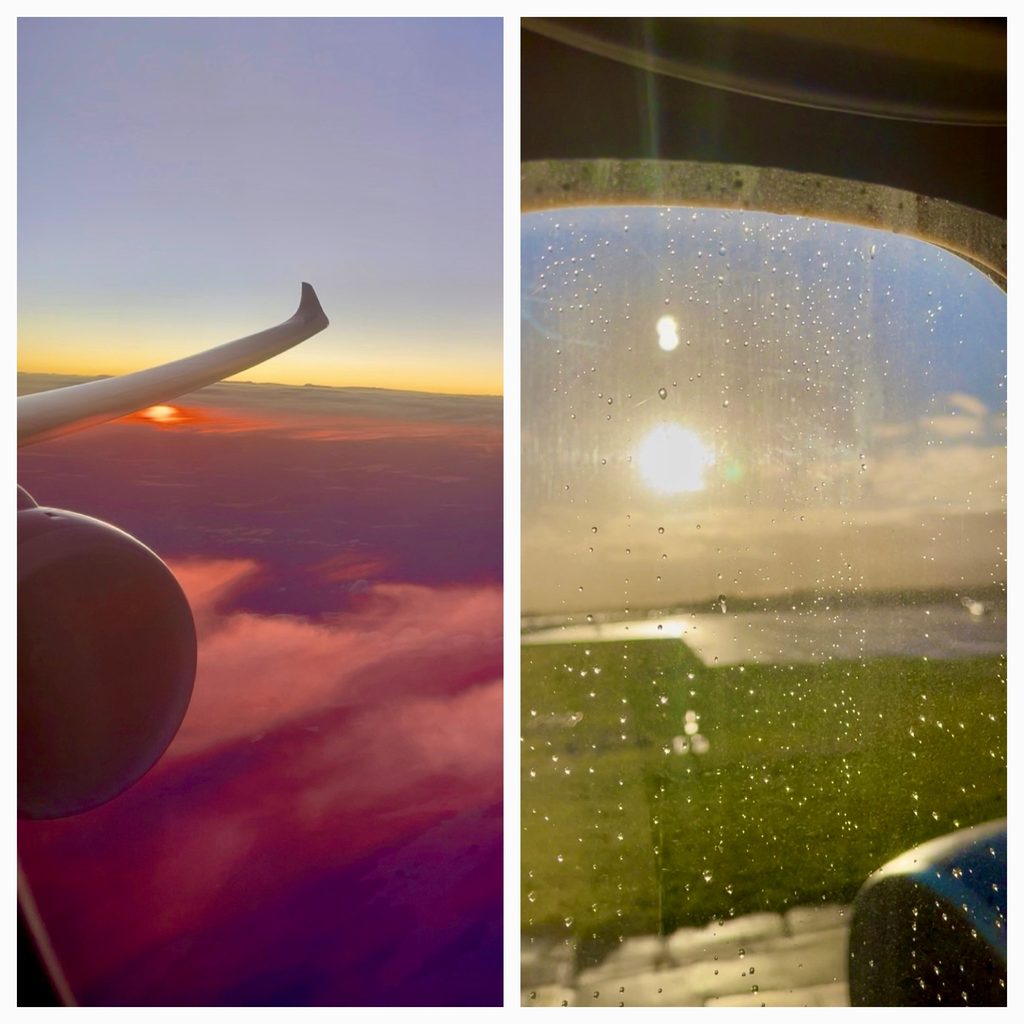
(R): The sun rises from outside my plane window at Edinburgh Airport.
Amid my professional-life challenges, I’ve always been a spiritually connected and “seeking” type of person.
…Hunting for knowledge, for understanding, and for meaning.
So, upon arrival in Edinburgh and throughout my Scotland journey, that familiar sensation could not be denied, of returning to a land with rootedness and kinships and bloodlines that I know for a fact exist… and that literally course through my own veins and compose part of my DNA.
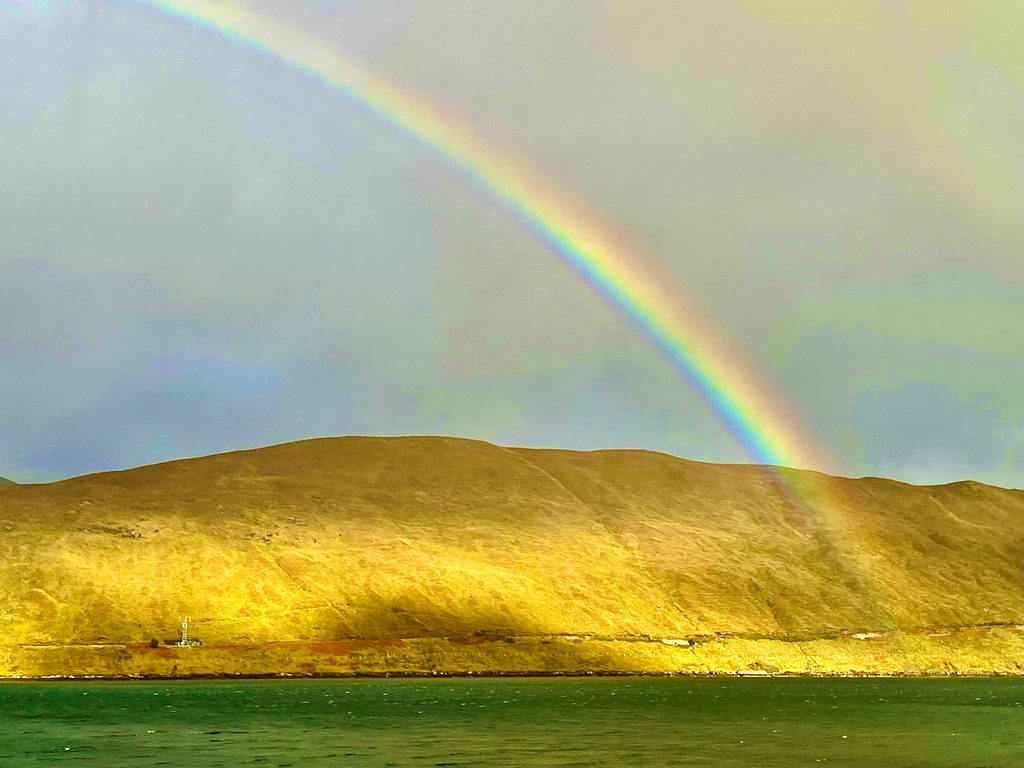
We made our inspirational journey by car across the country, starting and ending in Edinburgh, with overnight stays in Oban, the Isle of Skye, and Inverness. (Yes, we saw Loch Ness… no Nessie, though — sorry, kids).
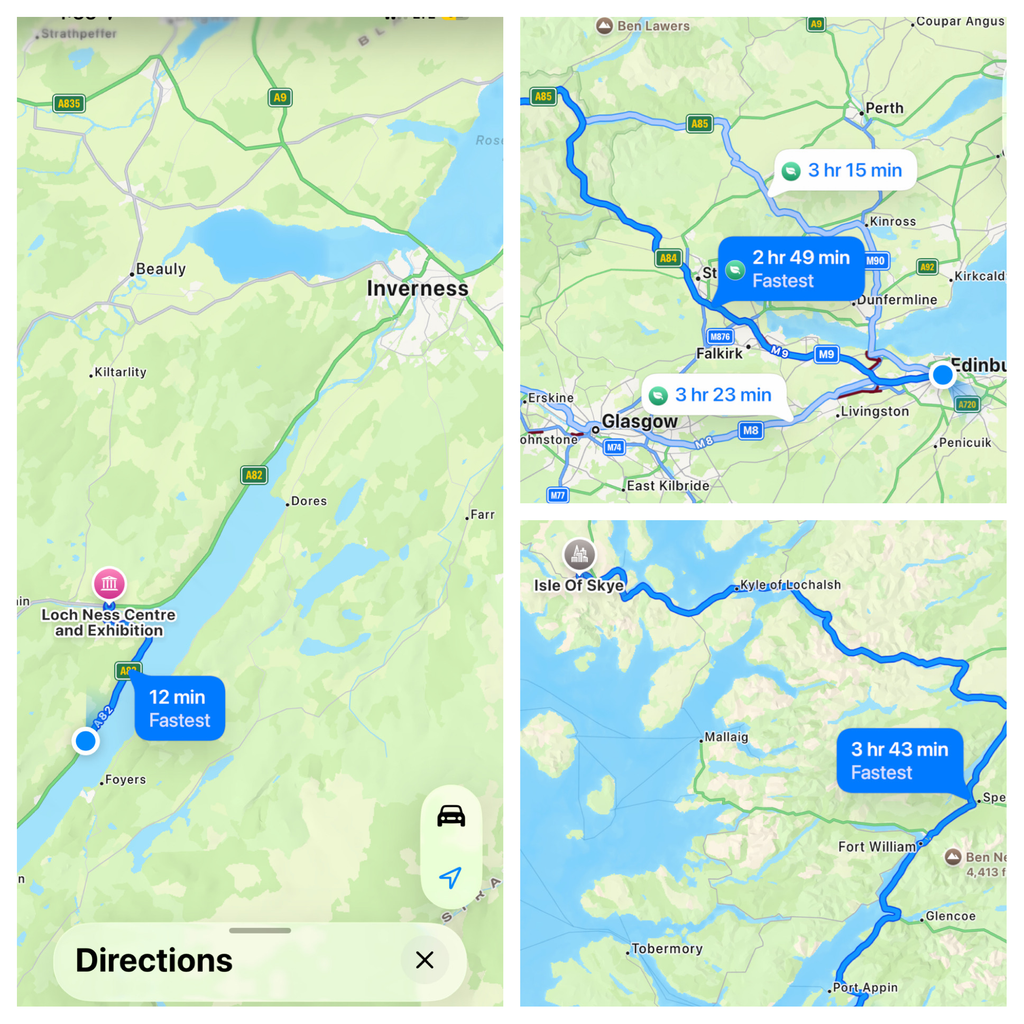
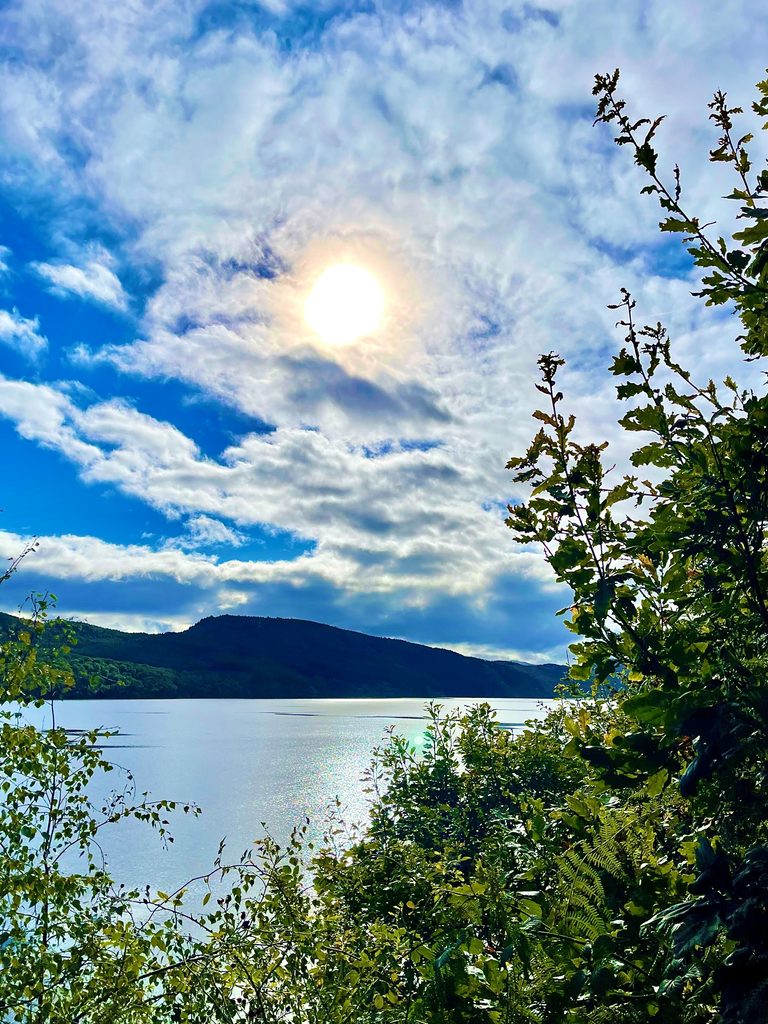
Scotland’s lay of the land (and water) spoke to me tremendously, for those nine solid days.
My nose was practically pressed to the glass of my car window for the entire road trip, absorbing the beauty, purity, and wildness of the vast landscapes and waterways. All of it felt utterly restorative to me, to behold.
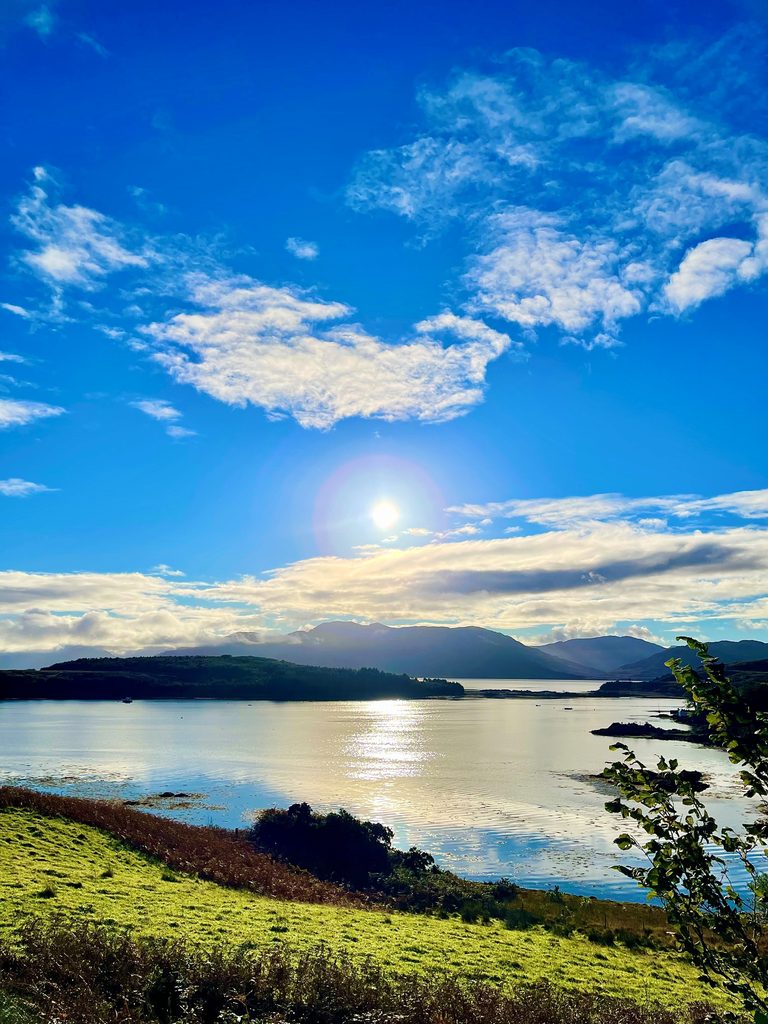
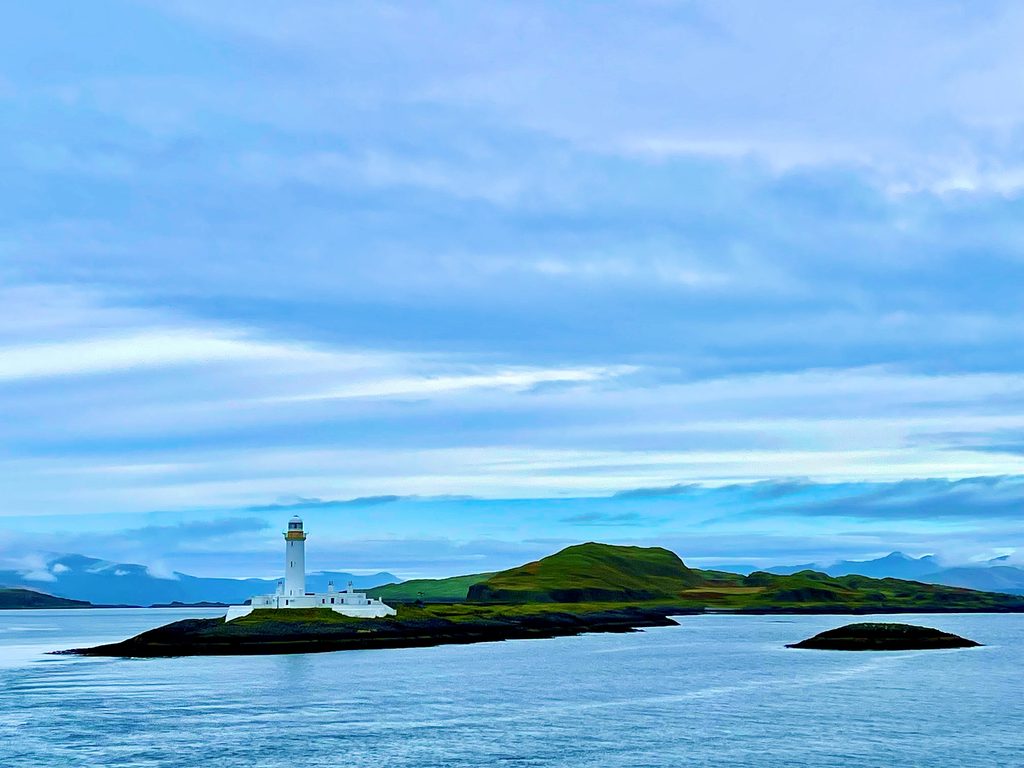
I quickly learned that when visiting Scotland, you’re bound to encounter heaping helpings of four things: quickly shifting weather patterns (lots of rain and wind, making the blessing of a clear, sunshine-filled sky all the more glorious), castles (over its history, Scotland is said to have had upwards of 3,000 castles — with some 1,500 still remaining today), untouched landscapes and seascapes with stunning vistas, and, of course, whisky distilleries (after all, Scotch can legally only be made in Scotland — and boy, do they rise to the occasion in the craft).
When I think of that particular quaternity, I have to smile, even with a tear in my eye. Metaphors, ahoy!
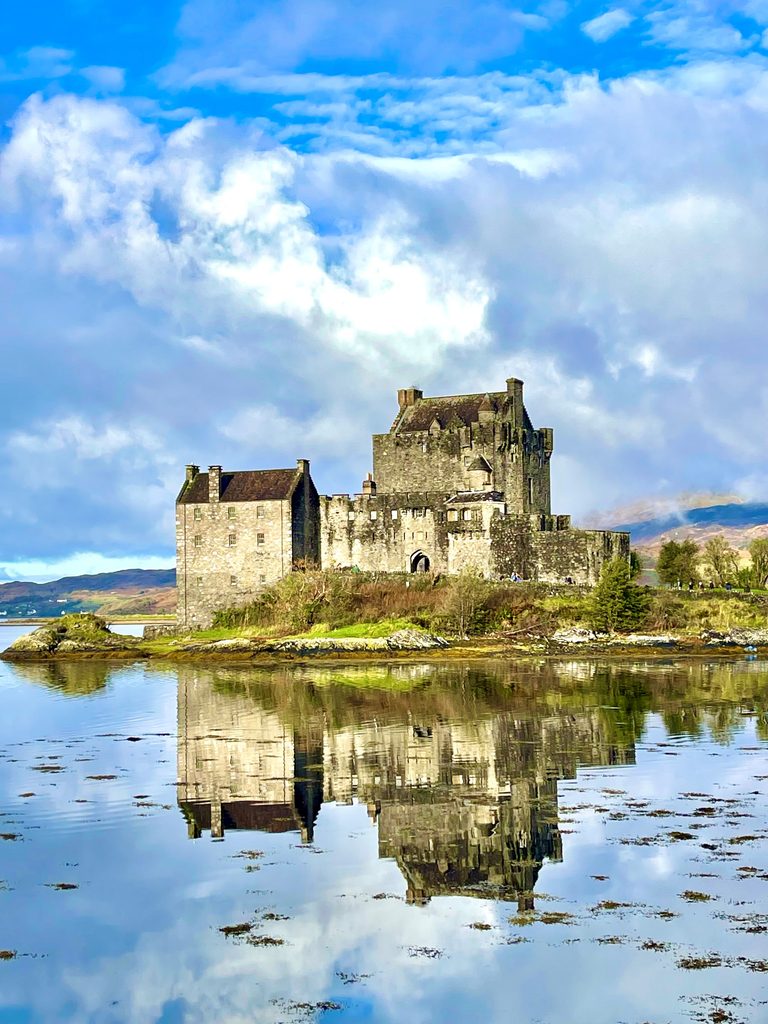
I’m one who loves the darkness and mystery of a misty day and a stormy night, so the changes in weather were not problems for me.
In fact, it was part of Scotland’s mystique.
(Packing tips when traveling in October to Scotland: 1) good rain boots ideal for hiking and with solid treads, 2) layers topped off with a long raincoat (with hood), 3) a toboggan, and 4) a fluffy wool scarf… with the best and most colorful native lamb’s wool scarves always available in Old Edinburgh as an ideal shopping stop-off).
As mentioned, we arrived in early October, which can be considered within Scotland’s more temperate season.
Even so, a 50-degree Fahrenheit day with windy rains can feel freezing, as we found out during an extended wait for a belated ferry on the Isle of Mull. (One of my friends who once visited Scotland during a typical January years ago said she has never been so cold in her entire life, so be forewarned about the seasons if you plan to travel there during their truly frigid season.)
Aside from temps, I could not help but feel completely taken by the ruggedness of the untouched land… and so much of it, completely undeveloped, just as my native ancestors would have seen and experienced it.
Scotland wisely maintains a massive conservation ethic, with some 190,000 acres of land under management by the National Trust for Scotland.
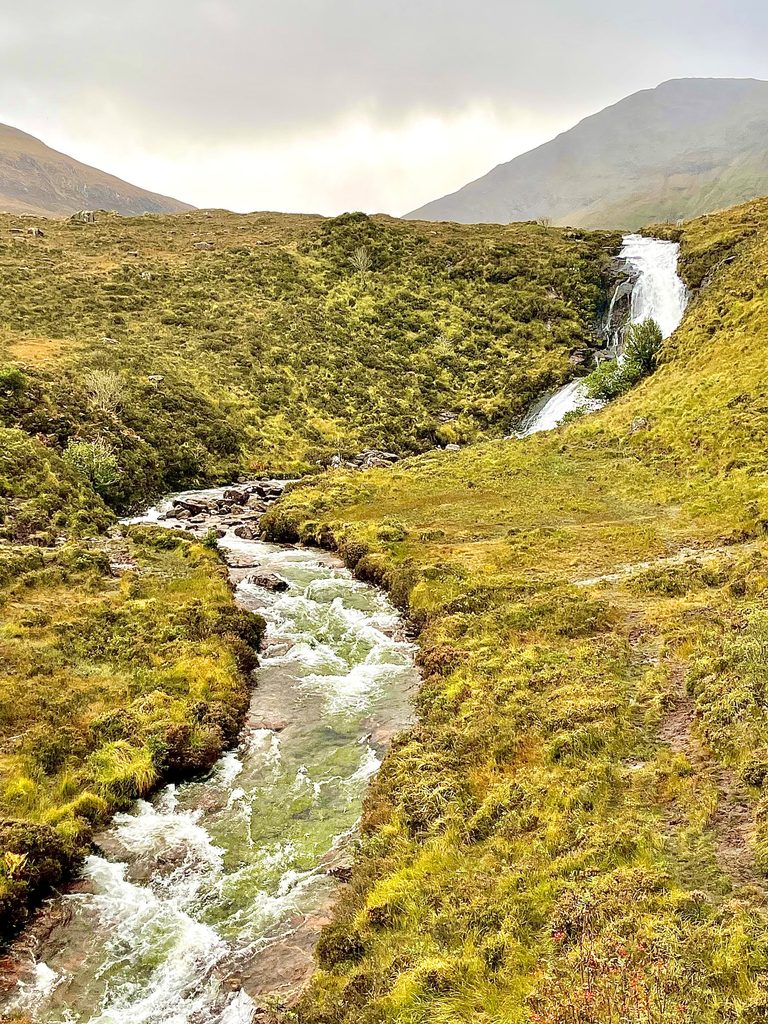
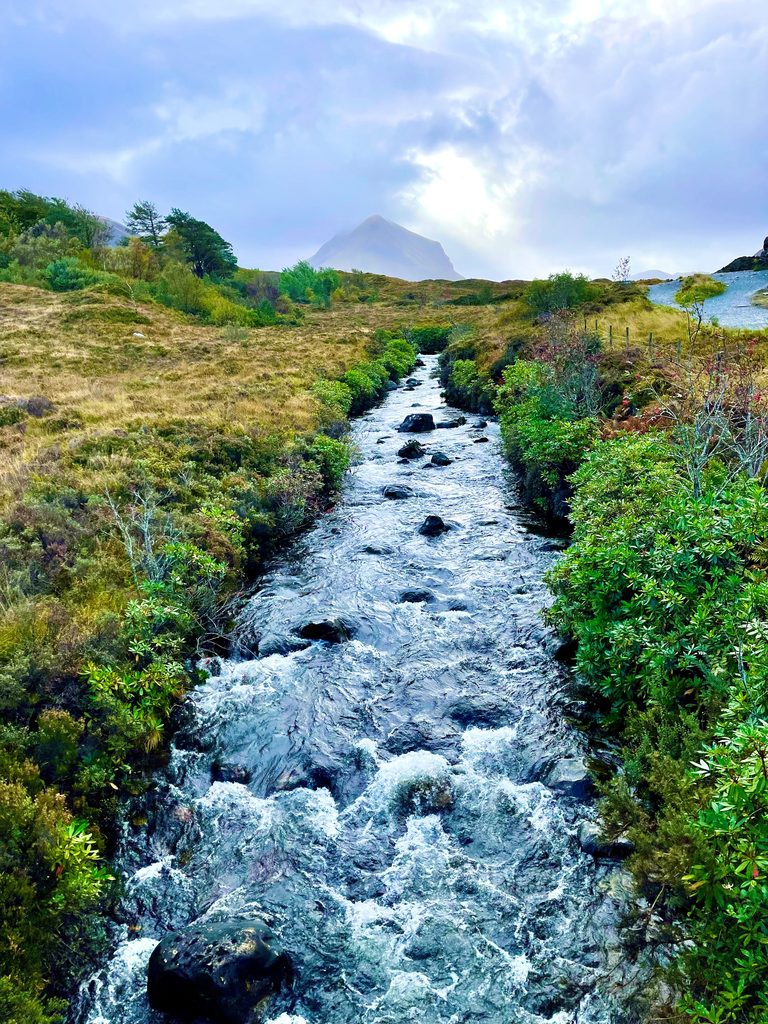
The purity of the water is just part of what makes Scotch whisky so magnificent. (In addition to individual distillery tours that may be of interest to aficioandos, be sure to visit the Scotch Whisky Experience atop the Royal Mile in Edinburgh, if given the chance. It’s a great overview and historical retrospective of how their robust and iconic industry came to be.)
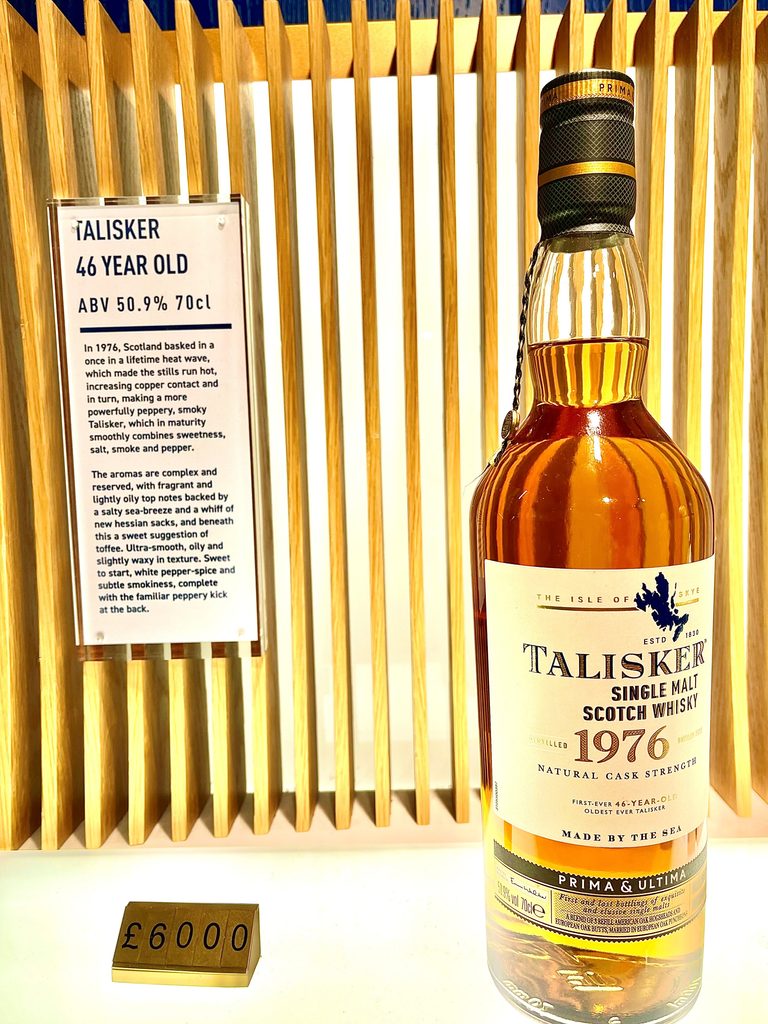
https://www.distillerytours.scot/distilleries/talisker-distillery-visitor-centre

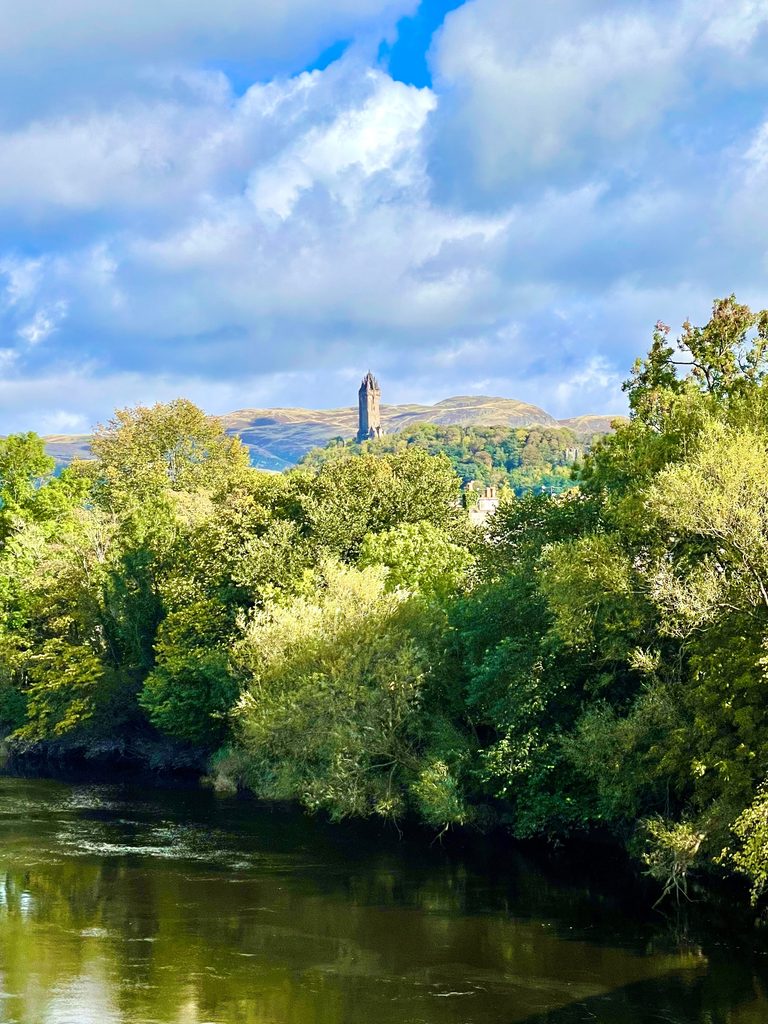
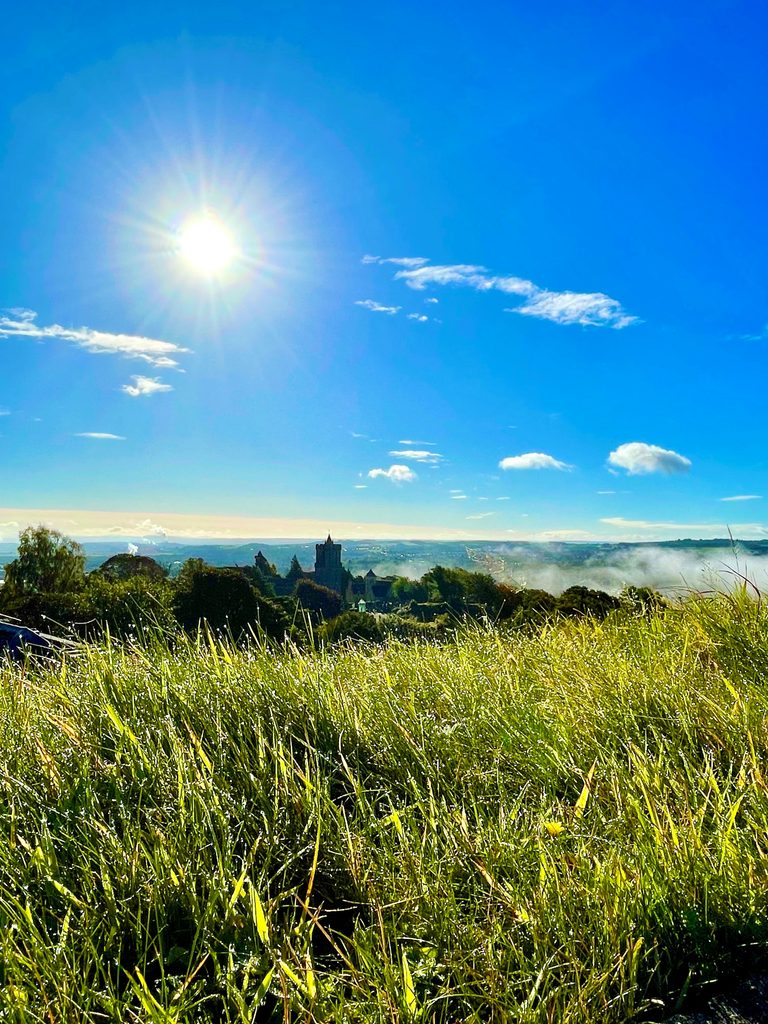
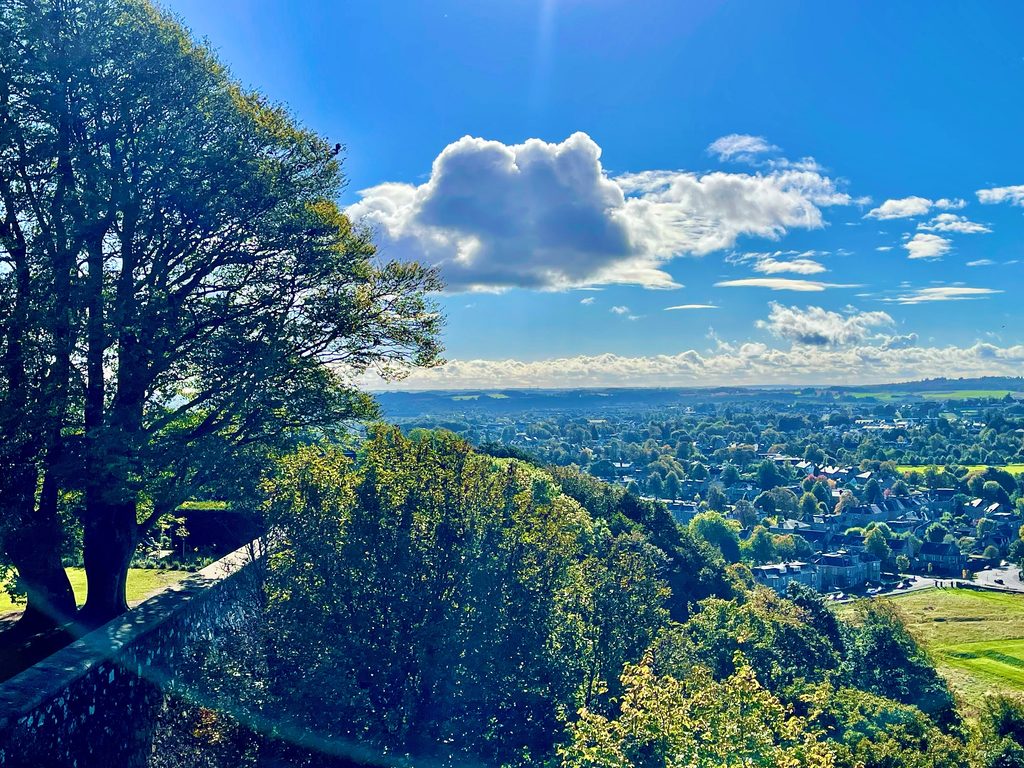
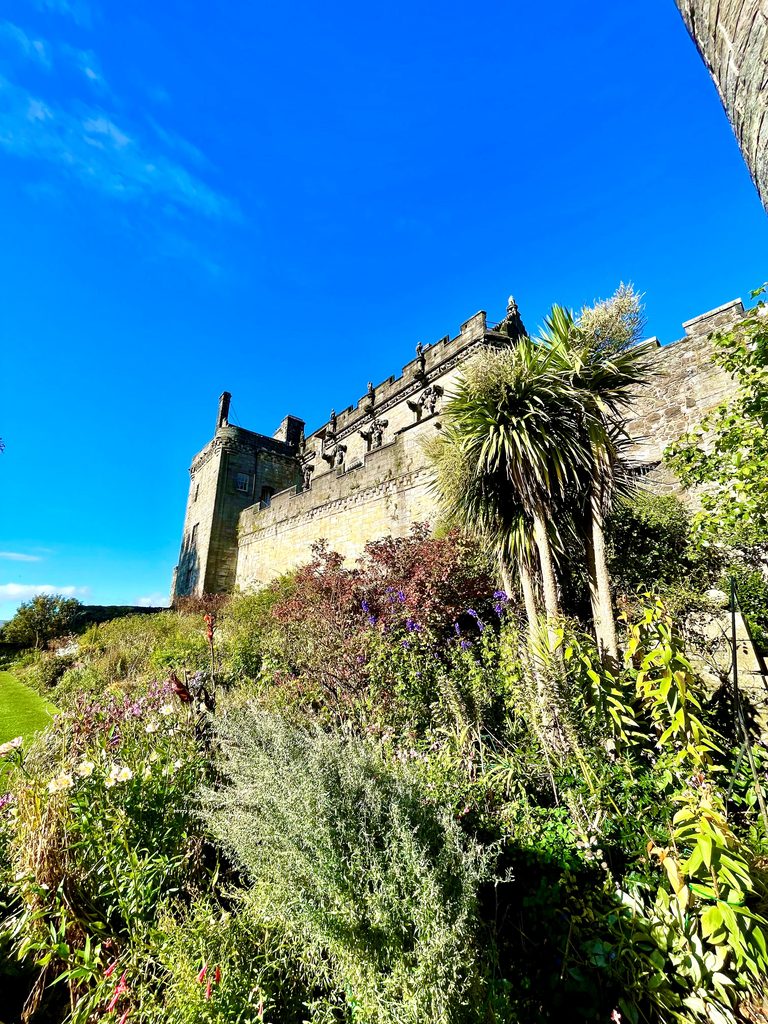
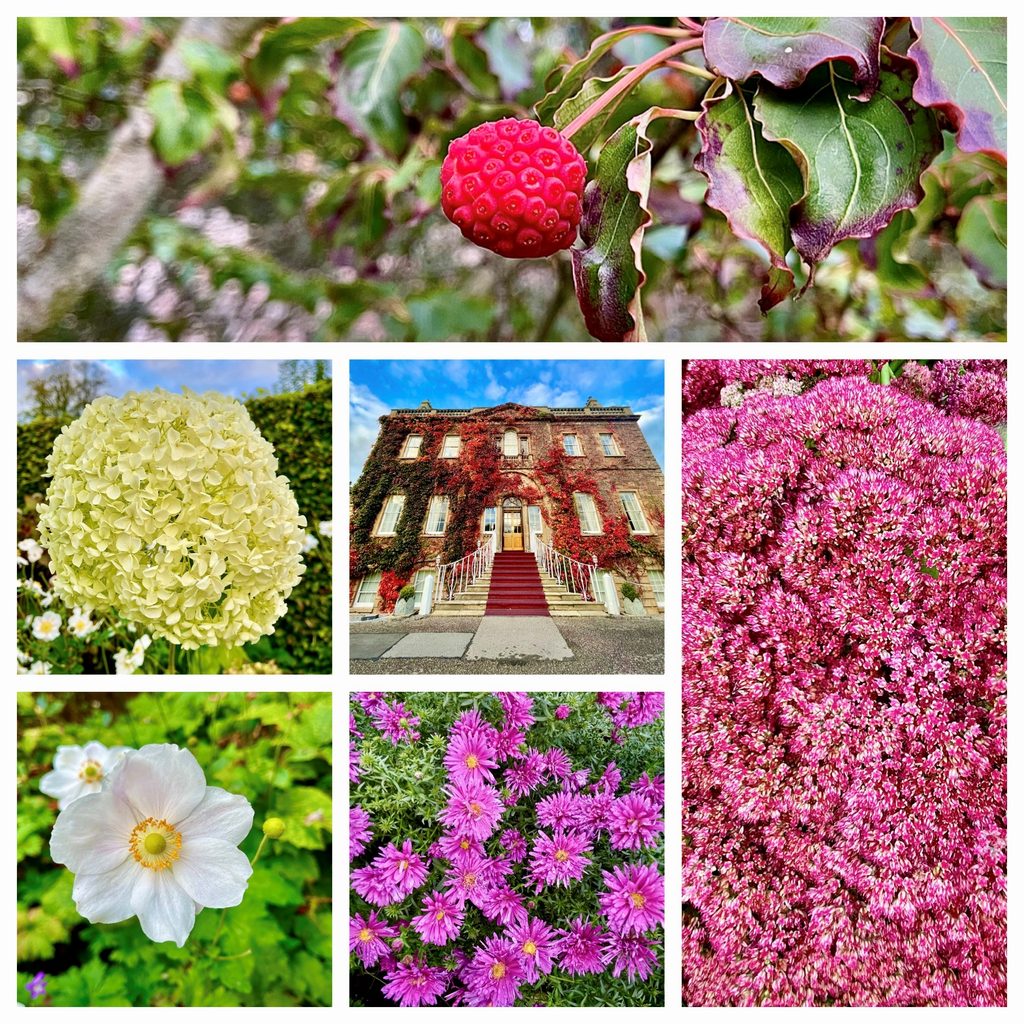
I suppose my favorite among Scotland’s castles we visited was Stirling Castle, about an hour north of Edinburgh and our first stop outside the city.
My bias may be due in part to the fact that it was such a beautiful morning, with mystical fog lifting from the fortress just as we arrived, to reveal crystal-blue skies and the castle’s gardens still in bloom:
It was easy during the trip to sometimes feel overwhelmed by the natural yet immersive beauty of… everything.
And that’s where the healing element of Scotland’s core could most be realized, at least for me.
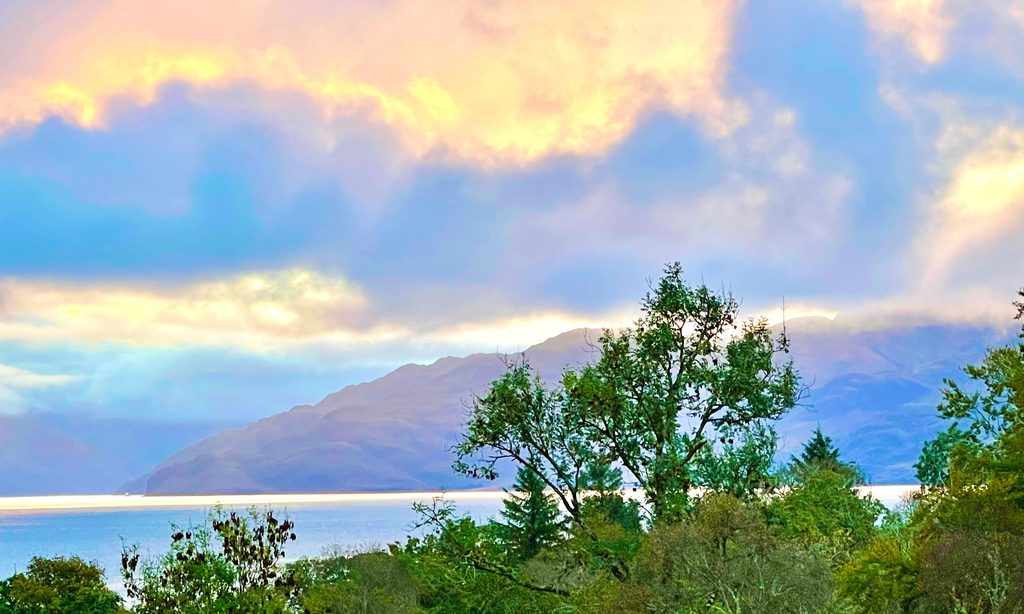
Everywhere I looked, the beauty of Scotland as a God-touched land could be seen… and, literally, breathed. It’s one thing to see natural beauty. It’s quite another to inhale it. To feel it fill your lungs. To know it’s giving you a renewed lease on life, if you allow yourself the moment to actualize that experience.
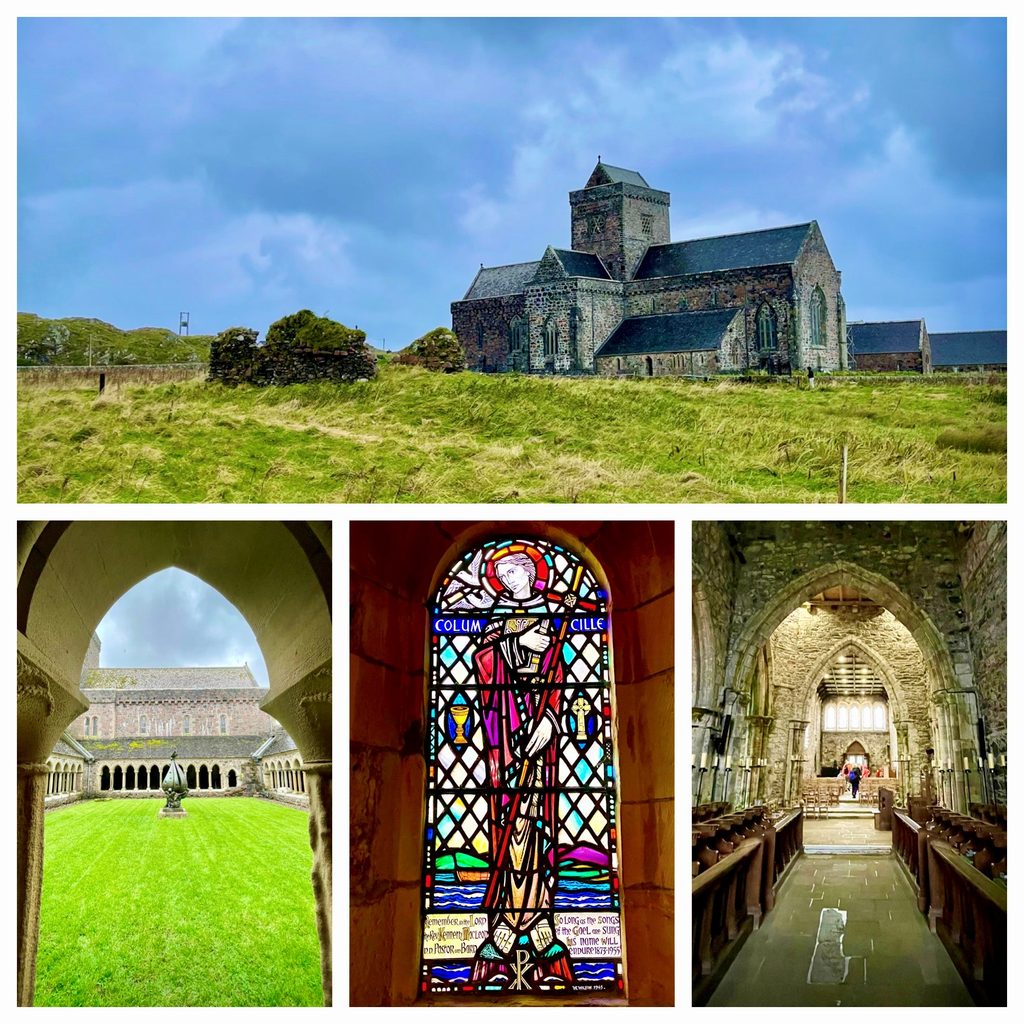
The sounds of Scotland also felt immersive, whether from the people’s beautiful, unmistakable, native voices, or in the heart-tug tones of a distant bagpipe (we so often would hear the music come from out of nowhere), or, even the forlorn howls of a gusting wind outside… which we certainly experienced on the Isle of Iona at the isolated yet epic stone Abbey there — monastery of St. Columba:
Back in East Tennessee now, it’s good to be home. But it’s far better now that I have the spirit of Scotland within me, for the duration.
I’m reminded how much East Tennessee’s Smoky Mountains and our rivers / lakes are reminiscent of Scotland’s landscape, which is probably why I felt so at home there, and why my Scottish ancestors hundreds of years ago felt fairly well at home when they arrived in North Carolina and Tennessee, too.
Absorbing the history of Scotland’s ancient people — who fought so hard to survive in their beautiful yet brutal native land… to the next hour, to the next day, through the next hard winter, to the next growing season, for the next generation — gives me a revived perspective of life in general, even through our modern lens.
We are meant to take on each day, armed with what God grants us — in a world laced and graced in all the stunning beauty of His creation, but also with its unimaginable horrors of humans, of nature, and of human-nature alike — with vigor and rigor and fight, even if the fight itself is unfair or unwinnable, which all-too-often it is.
Fight we must, if we are to help make the world better, for generations who either will be blessed or doomed to follow us.
That’s what Scotland meant to me, in all aspects of my experience there and in its immeasurable beauty. If I’m so blessed, I will return again. Until then, I will relish the memory of having been there, of knowing I breathed the air of my ancestors, and with hope of that return.
Based in Tennessee, Mary Beth West has worked in the public relations industry for more than 30 years.
For information on a similar tour to Scotland as described in this blog, contact Kensington Tours: https://www.kensingtontours.com/tours/europe/scotland.